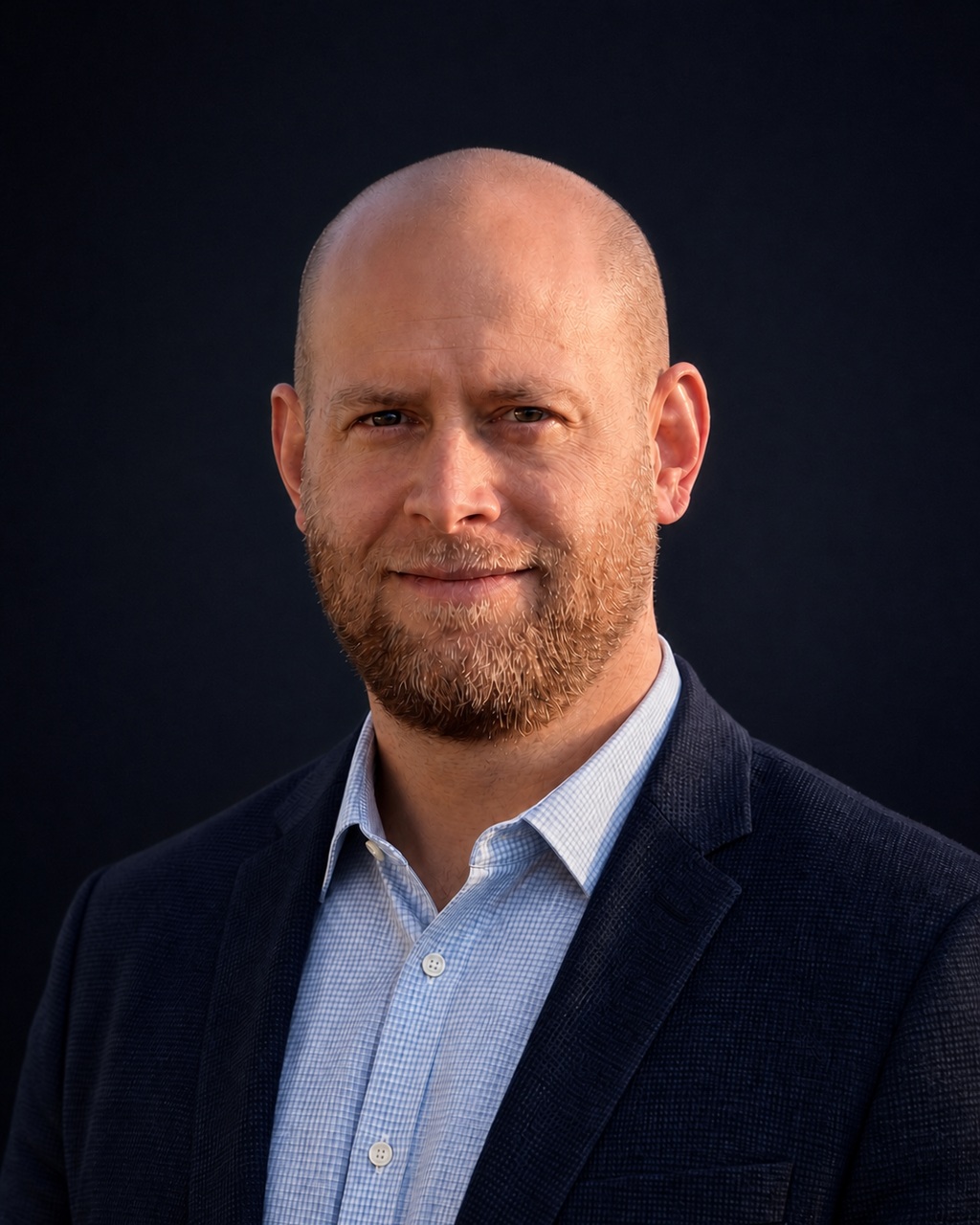
iFIT already changed how the world trains. Operations is next.
iFIT has already put AI into the member experience. The next opportunity is behind the scenes, where AI can cut the time spent pulling reports, chasing answers, and moving information between systems.
This role touches S&OP, Member Care, Quality, Procurement, Logistics, and Customs. The names are different from my businesses, but the work is familiar. You figure out what's slowing people down, connect the right systems, and make the information easier to use. The goal is to give people back their time.
I've been doing that in my own companies. This is how I'd start at iFIT.
AI isn't a side project for me. It's how I run my businesses.
I've spent most of my career in restaurant operations. Up to 10 locations, more than 200 employees, and all the daily problems that come with them. When it became clear AI tools could act, not just chat, I moved quickly to put them to work inside my own businesses. I started with the recurring work that kept eating up time and built systems to handle it.
Today, those systems handle a lot of the company's recurring work:
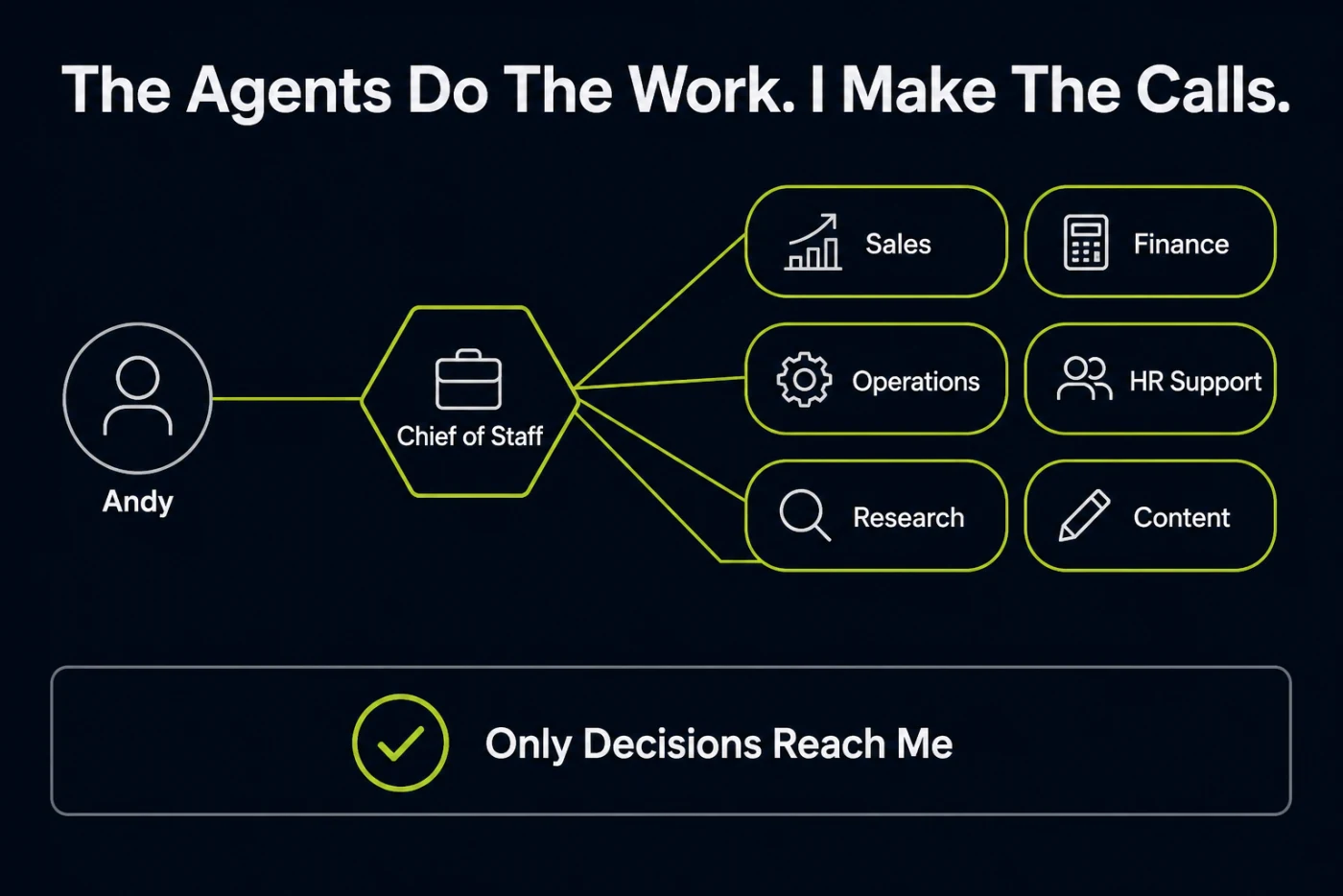
- A team of agents covers work across the company, including sales, finance, operations, HR support, research, and content. Each agent has a job, a schedule, and clear limits.
- A chief-of-staff agent coordinates and delegates the work, then gives me one ranked board each morning. I approve the decisions that need me.
- Email, messages, calendars, financial data, and market research feed into one shared record. The agents work from the same information instead of guessing.
- The sales system tracks every conversation and brings follow-ups back on the right day.
- Finance agents help categorize transactions and flag cash, costs, receivables, and payables that need attention.
- Research runs overnight, so the useful part is on my desk before I start the day.
- Nothing external or financial goes out without my approval.
Claude Code and Codex are open most of my workday. I use them to build and improve the agents, dashboards, and software behind these systems.
A few things I've built.
These are real systems, either running now or in a live pilot. They're not everything I've built. Most of the best wins are the small stuff, the little tasks nobody thinks to automate. Each one saves a few minutes, and enough of them add up to a lot of hours.

AI Operations Team
A team of AI agents runs the recurring work across sales, finance, operations, HR support, research and content. A chief of staff agent coordinates them and brings me only the decisions.

LocalRedact
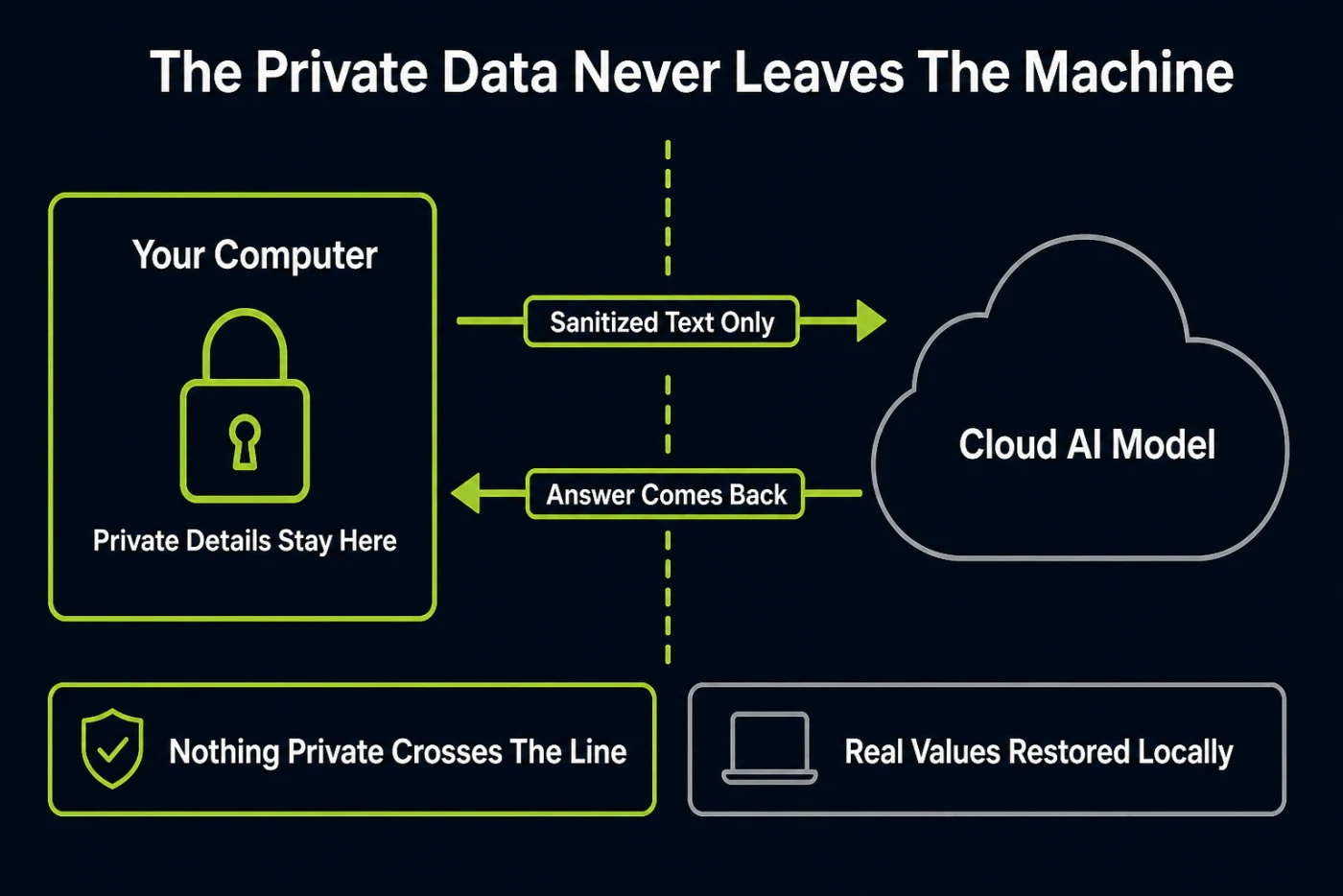
Private details are replaced on the user's own computer before anything reaches a cloud model, then restored locally afterward. The sensitive data never leaves the machine.

MOPS Unified Operations Platform
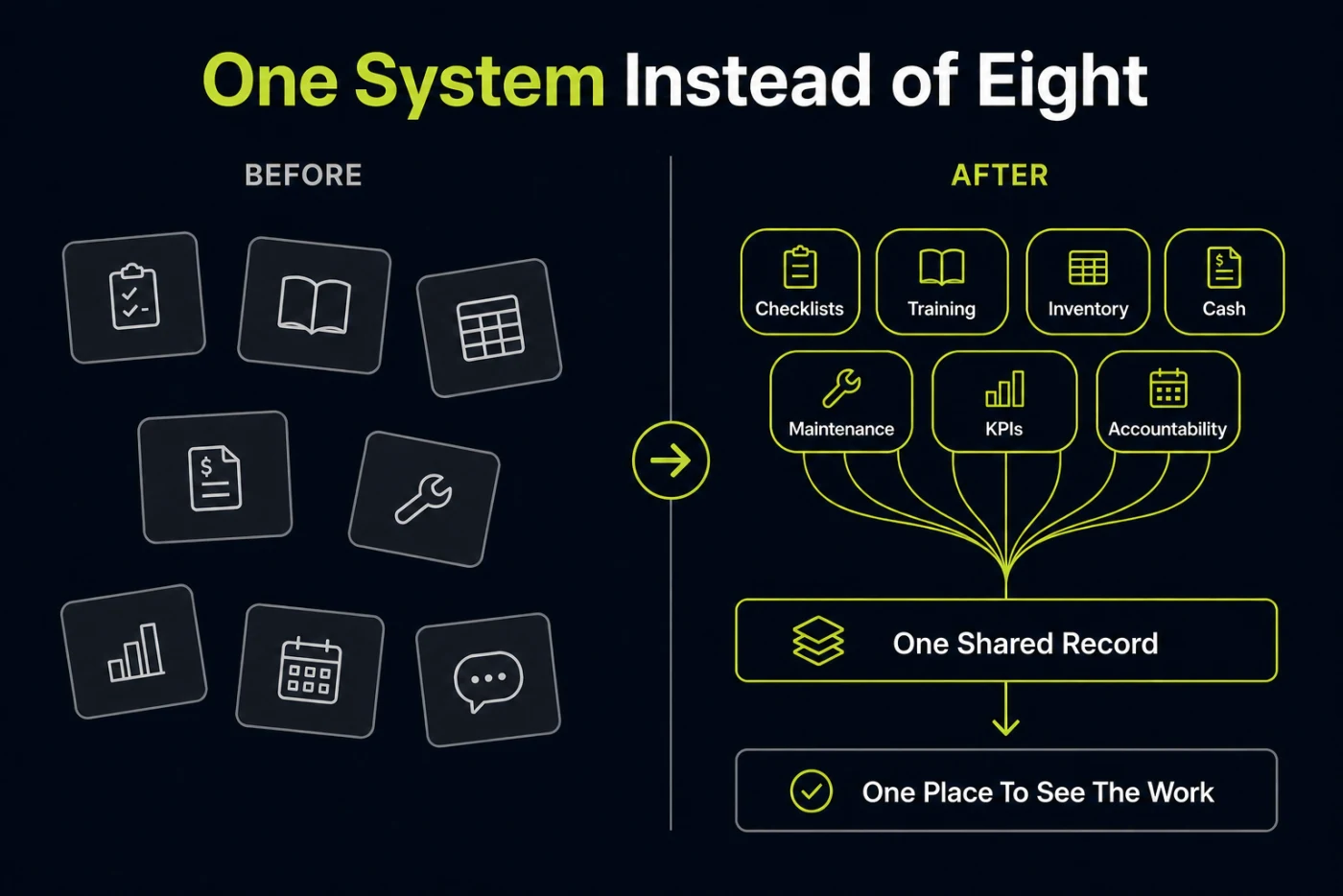
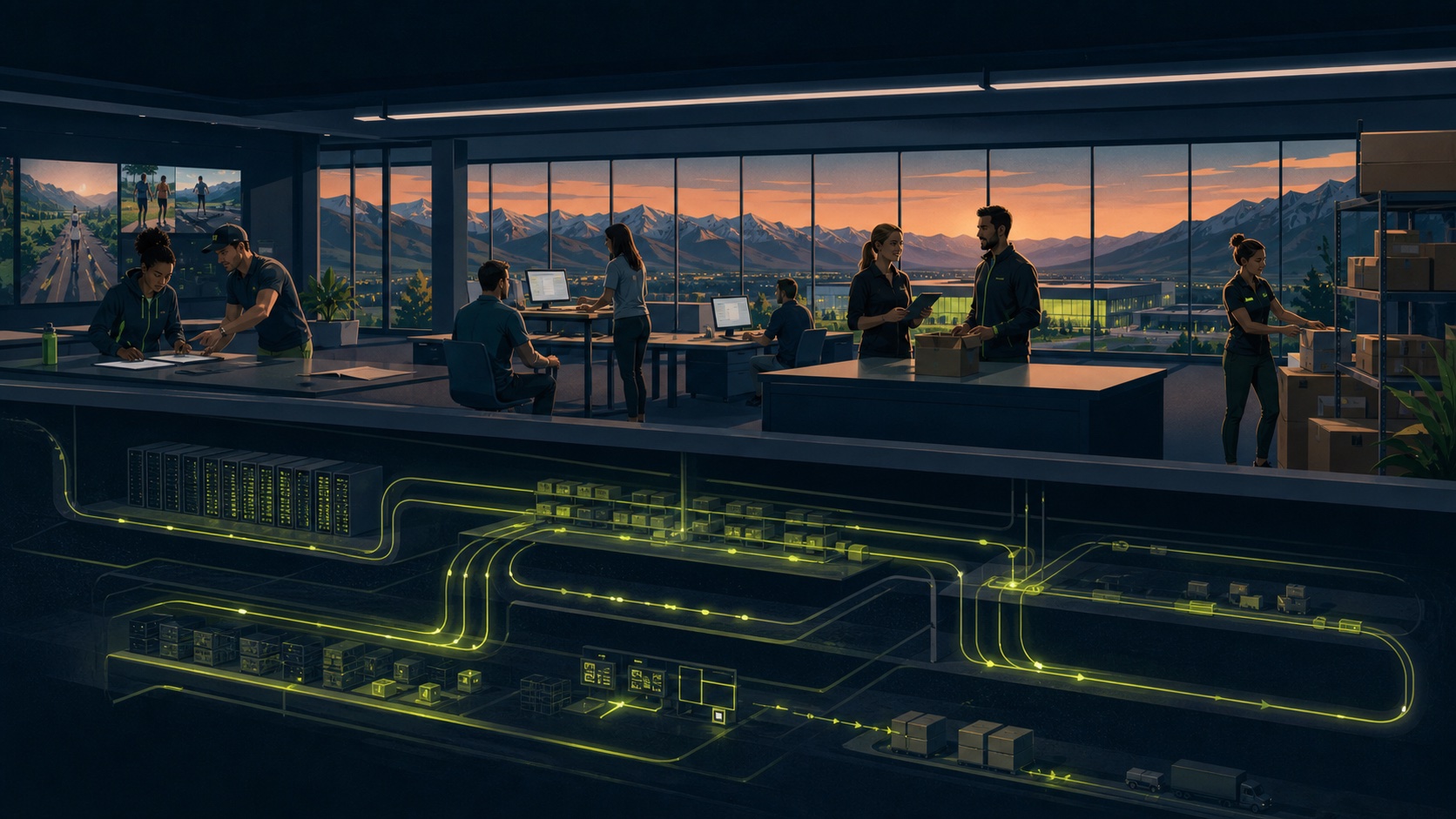
One system replaced eight disconnected tools. Checklists, training, inventory, cash, maintenance, KPIs and accountability now share the same record.

Vehicle Sale Document Automation
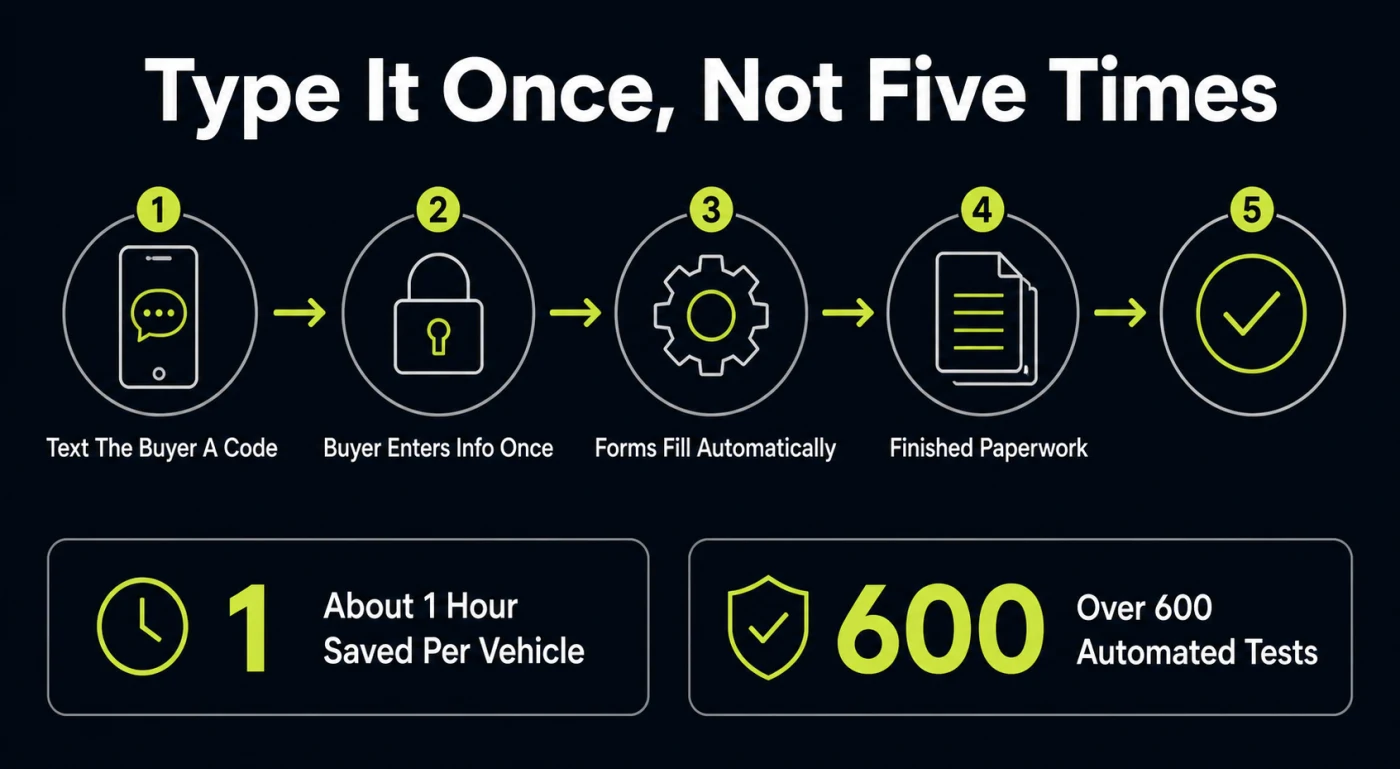
A dealership was retyping the same buyer information into every form. Now the buyer enters it once from a text message and the documents fill themselves.

Owner Financial Dashboard
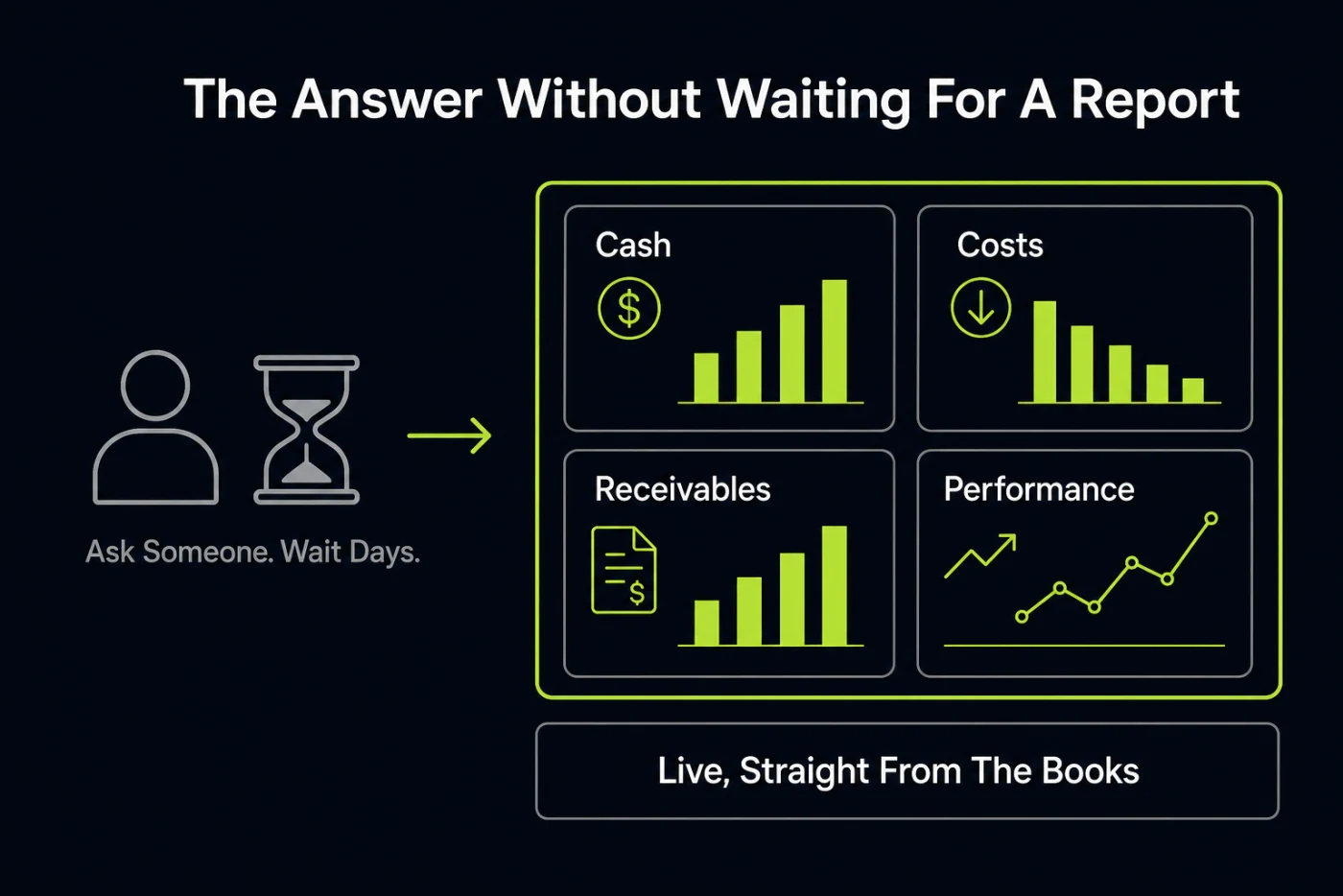
Live cash, costs, receivables and performance in one view. The owner gets the answer without waiting for someone to rebuild a report.

Electrical Bid Assist
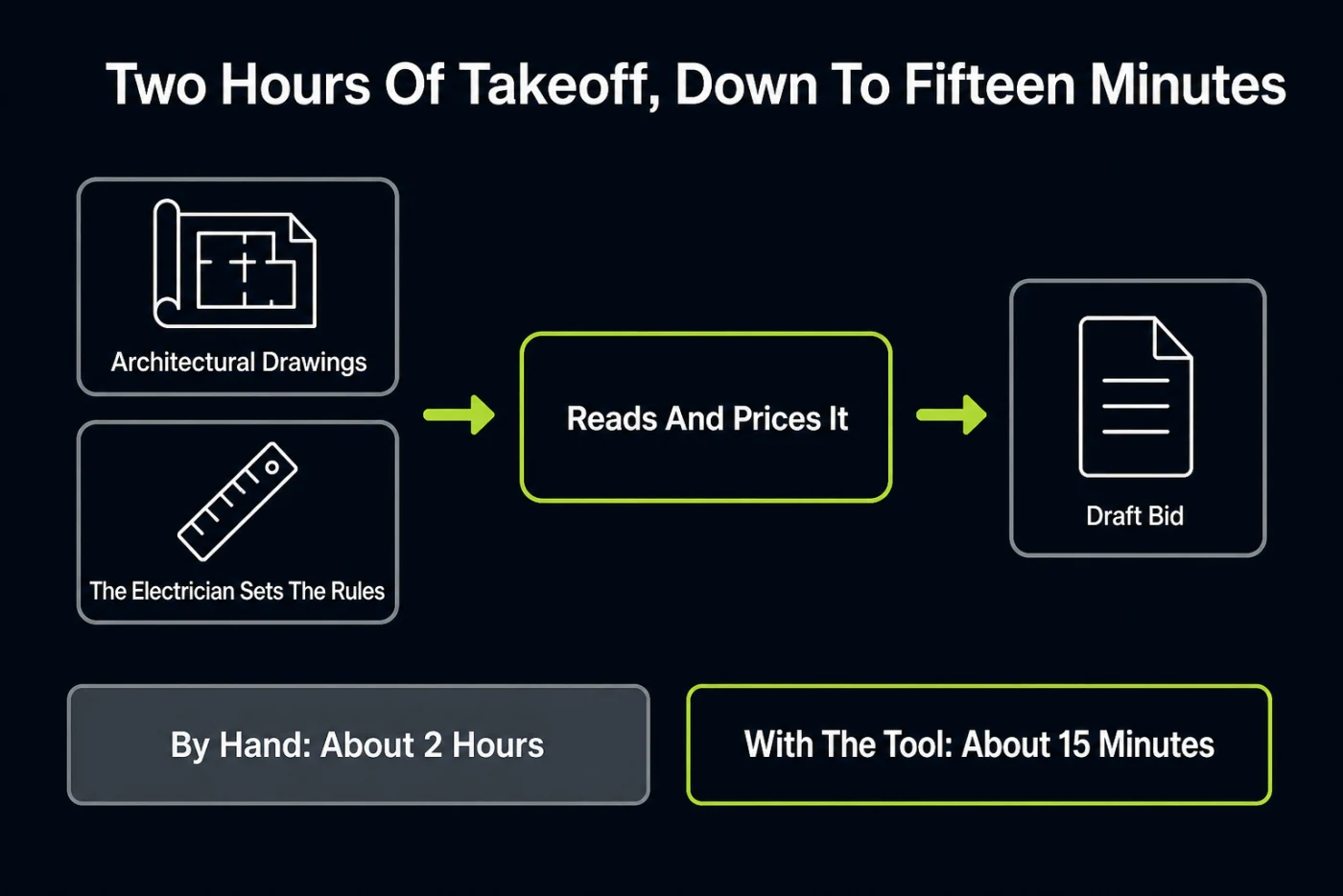
It reads the architectural drawings, applies the pricing rules the electrician sets, and builds the draft bid automatically.
Every company hits the same wall with AI.
Leadership asks people to use it. IT puts the right rules in place. A few motivated people try things on their own. Then most of the work stays exactly the same.
The missing piece is ownership. Someone has to find the right workflow, build something useful, teach the team, measure the result, and stay with it after the first win.
That's how I run my own operation. The agents handle repeatable work. People keep the purpose and judgment. The important decisions still have a person behind them.

Learn the work. Prove the value. Make it spread.
ListenFind the right work
Spend time with S&OP, Member Care, Quality, Procurement, Logistics, and Customs. Ask where people lose time, where errors happen, and which report gets rebuilt by hand every week. Learn the ERP and CRM setup. Work with IT and Data Engineering from the start so anything I build fits the systems and rules already in place.
BuildPut one useful tool to work
Pick a real workflow with a clear payoff and manageable risk. Build it with the people who do the work. Measure the hours, errors, and cycle time before and after. Use tests, approval steps, and a rollback plan before anything goes live.
EnableHelp each department build with it
Find an AI champion in each Operations group. Teach them on their own work, in plain language. Give every team a simple way to bring forward an idea. Keep Operations leaders close to the work by showing what shipped, what it saved, and what comes next.
ScaleTurn the results into a roadmap
Give the COO a plain roadmap with the results, the next priorities, and the things iFIT should build, buy, or leave alone.
I've always been a builder inside Operations.
I learn the work, build a better system, teach the team, and stay close until it sticks. I did that in retail and restaurants. Now I do it with AI.
Founder · Bootstrap AI
I help owner-operated businesses put AI into real workflows. I use the same systems to run my own day-to-day work.
Founder & CEO · Clarity Leadership Team
I led operations for up to 10 restaurant locations and more than 200 employees across several brands. That included P&L, staffing, purchasing, vendors, customer experience, and new store openings. I oversee it part time now while the team and systems handle the daily work.
Chief Operating Officer · Morty's Cafe, Logan's Heroes, The Crepery
I helped grow Morty's Cafe from 1 location to 5 and expanded The Crepery. I built the labor, ordering, inventory, and forecasting systems that made the growth possible.
General Manager · Morty's Cafe
Store Leader · Expercom, an Apple Premier Partner
This is where I learned the ground-level work: labor budgets, inventory, hiring, training, service, and financial performance.
Why I think this fits.
I've never had a big company behind me. No spare budget, no department to hand things off to. Everything I run, I built with what was actually there, and then had to make it hold up. I've spent my career building with limited time, small teams, and real consequences when something doesn't work. If I see a problem, I probably won't wait for a perfect plan or a ticket. I'll talk to the people doing the work, build a practical first version, and keep improving it until people actually use it.
A fast first version is only the start. Production needs IT, security, tests, approvals, and a way back if something breaks. I want to move quickly inside those rules.
This role would be my full-time job. I've built my companies so I don't have to be in the middle of every daily decision. That's why I can commit to this full time.
Running and fitness are part of my everyday life. I've used several iFIT products over the years and still use one today. I'd be excited to put my experience to work for a company whose products are already part of my routine.